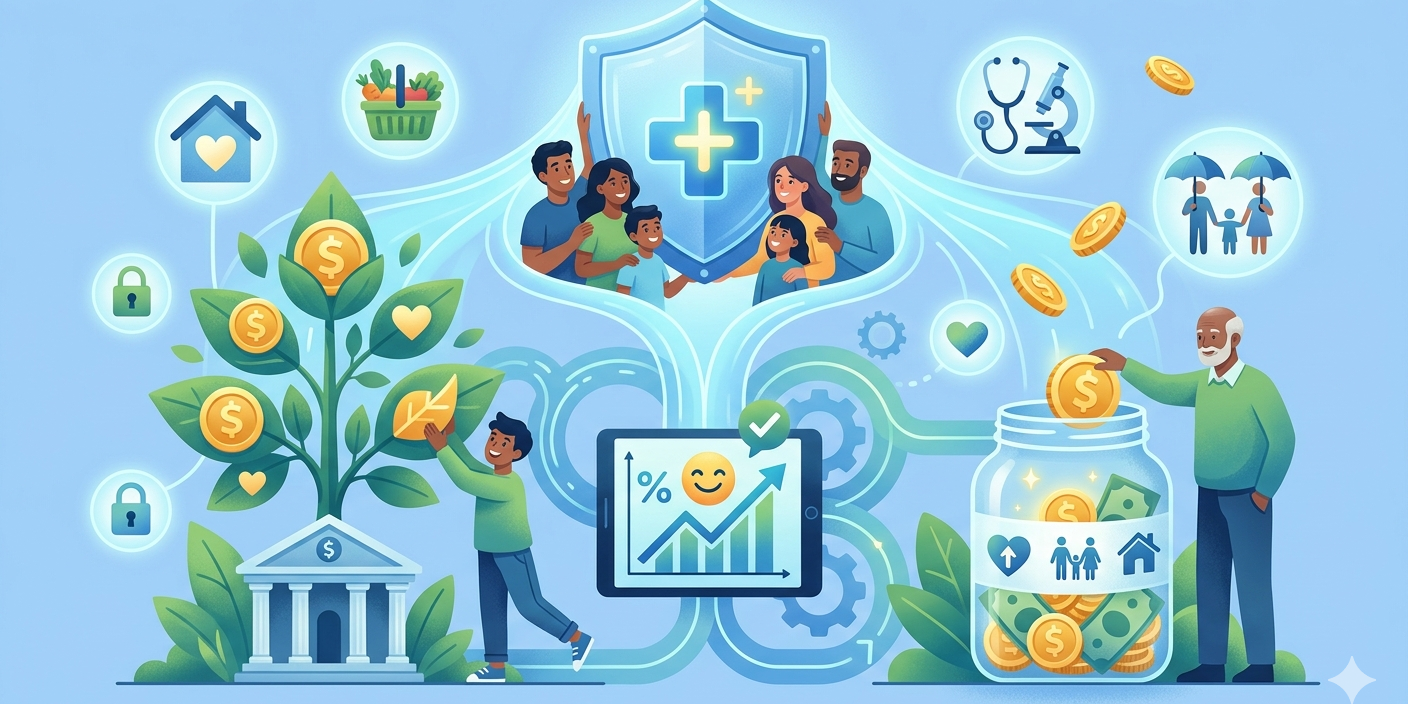
Healthcare expenses can be unpredictable and often place a significant burden on individuals and families. Insurance and medical savings strategies are essential tools for managing these costs while ensuring access to quality care.
Health insurance serves as the first line of defense against high medical expenses. By covering hospitalization, treatments, and preventive care, it reduces out-of-pocket costs and provides financial security during emergencies. Choosing the right plan involves evaluating premiums, coverage limits, network hospitals, and additional benefits such as maternity care or wellness programs.
In addition to insurance, medical savings plans and tax-saving instruments can further ease financial pressure. Many governments offer tax benefits on health insurance premiums and medical expenses, encouraging individuals to invest in their health proactively. Setting aside a dedicated emergency fund for healthcare is also a practical strategy.
Preventive care plays a crucial role in long-term savings. Regular health check-ups, vaccinations, and early diagnosis can prevent costly treatments later. Adopting a healthy lifestyle—balanced diet, exercise, and stress management—can significantly reduce the risk of chronic illnesses.
Digital tools have made it easier to compare insurance policies, track medical expenses, and access telemedicine services. These innovations empower individuals to make informed decisions and manage their healthcare efficiently.
Ultimately, combining the right insurance coverage with smart medical savings strategies helps create a strong financial safety net. It not only protects against unexpected expenses but also promotes better health outcomes and long-term financial stability.