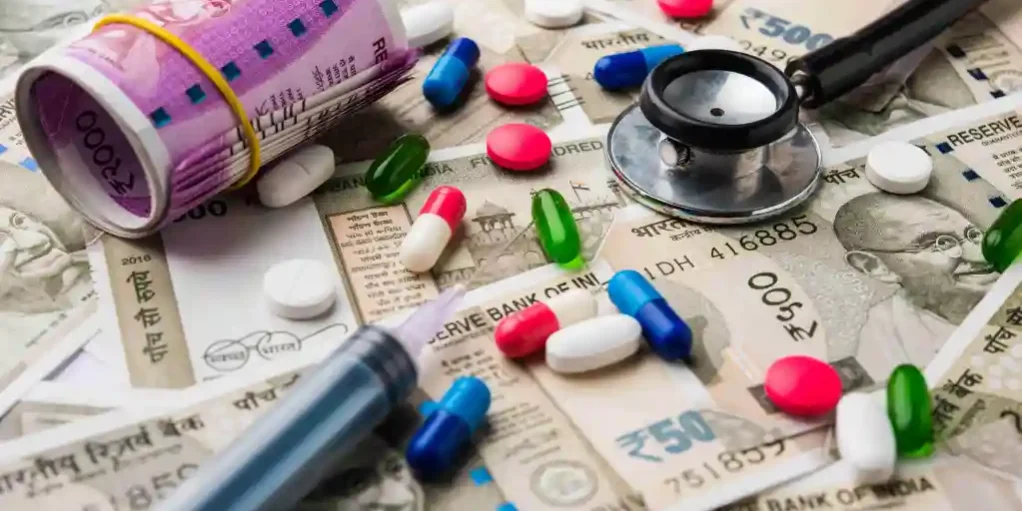
Healthcare expenses can place significant pressure on personal finances, making insurance and medical savings strategies more important than ever. With rising treatment costs and increasing demand for healthcare services, individuals and families are actively seeking ways to manage expenses while maintaining access to quality care.
Health insurance remains one of the most effective tools for protecting against high medical costs. Comprehensive insurance coverage helps reduce expenses related to doctor visits, hospitalization, medications, diagnostic tests, and emergency treatments. Choosing the right policy based on healthcare needs and budget can provide long-term financial security.
Preventive care is another important factor in reducing medical expenses. Regular health checkups, vaccinations, screenings, and early diagnosis can help prevent serious conditions that may require costly treatments later. Many insurance plans now encourage preventive care by covering wellness visits and routine tests at lower costs.
Medical savings accounts and flexible spending options also help individuals plan for healthcare expenses. These programs allow users to set aside funds specifically for medical costs, often with tax advantages. Proper planning can help families handle both routine and unexpected healthcare needs more efficiently.
Digital healthcare services have made medical savings more accessible. Telemedicine appointments, online prescription management, and virtual consultations reduce transportation costs and improve convenience. Many healthcare providers also offer digital payment plans and discount programs for patients.
Comparing healthcare providers, reviewing insurance plans annually, and using generic medications when possible are practical ways to reduce expenses. Consumers should also carefully review policy coverage, deductibles, and claim procedures to avoid unexpected charges.
By combining effective insurance coverage with proactive healthcare planning, individuals can reduce financial stress while ensuring access to essential medical services. Smart medical savings strategies not only protect finances but also contribute to better long-term health outcomes.